
Pricey Ambitions Leave Robinhood Trading Far Above Its Worth

Robinhood has successfully captured the imagination of a new generation of investors, but according to analysts at Morningstar, shareholders are now paying a steep premium for that growth. Despite the company’s popularity among young, mobile-first users, the stock currently carries a one star rating because it is trading at nearly double its estimated fair value of fifty seven dollars. Dave Sekera, chief US market strategist at Morningstar, suggests that this valuation gap alone makes the stock a candidate for selling, particularly for those looking to harvest tax losses to offset gains elsewhere in their portfolios.
The tension surrounding the stock lies in the difference between Robinhood’s operational success and its current market price. The firm possesses a narrow economic moat thanks to its strong brand loyalty among underserved younger consumers who prefer intuitive digital interfaces over traditional brokerages. While projections show healthy long term growth in client assets and diluted earnings per share, these fundamentals may already be priced in, leaving little room for further upside and creating significant downside risk if expectations aren’t met.
Looking ahead, Robinhood faces the difficult task of evolving from a simple trading app into a comprehensive financial ecosystem. To justify its high valuation, the company must convince users to move their entire financial lives onto the platform by adopting retirement accounts and banking services. However, this path is fraught with uncertainty. Regulatory scrutiny over prediction markets and tokenized equities looms large, while a heavy reliance on volatile cryptocurrency revenue adds another layer of risk to the balance sheet.
While bulls argue that Robinhood is perfectly positioned to inherit an unprecedented intergenerational wealth transfer given its low median customer age, skeptics worry about user retention as those clients mature. There is a lingering concern that aggressive marketing efforts might simply be renting customers rather than building lifelong loyalty. For now, the disconnect between the company’s intrinsic value and its trading price remains a flashing red light for cautious investors.
Related Stories

Investors Brace for Volatility as Key Economic Indicators Loom
The financial world is bracing for another high stakes session as traders prepare for a wave…
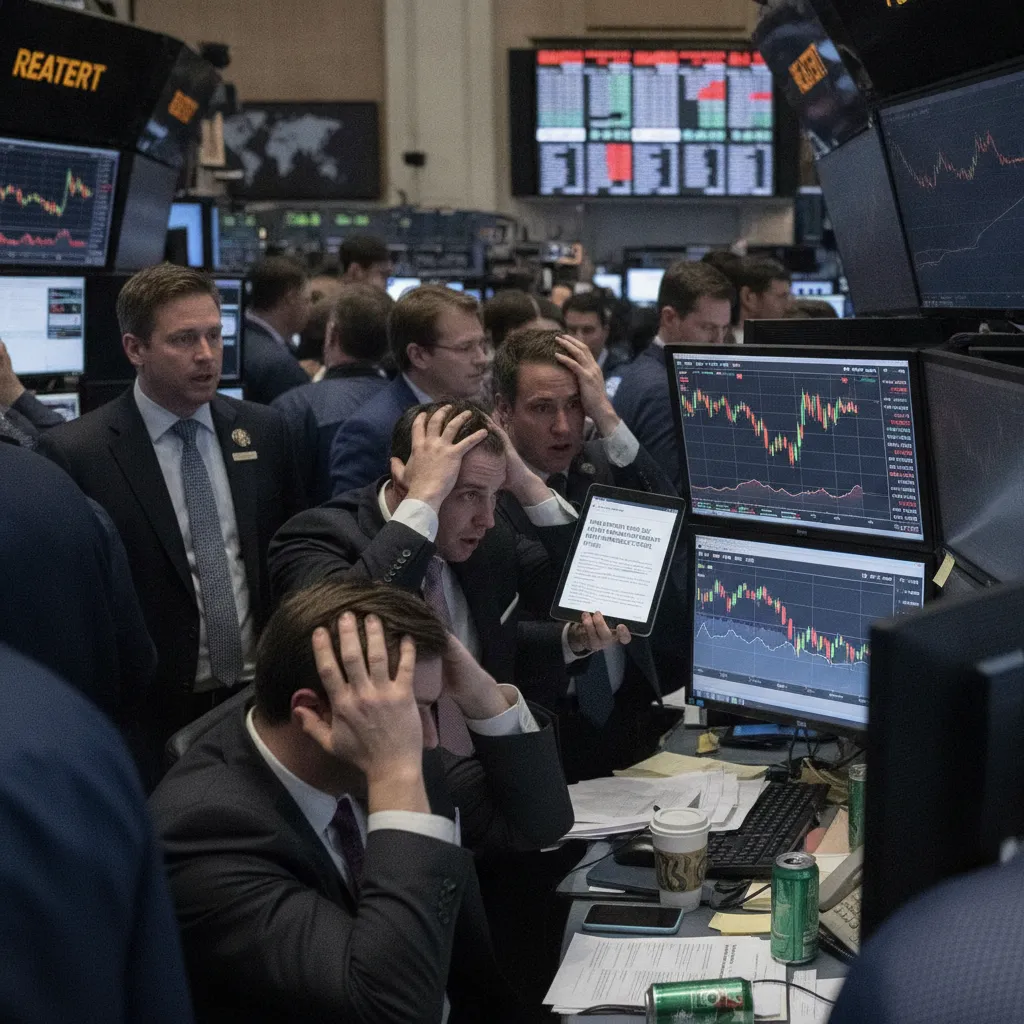
High Interest Rates Spark Massive Retreat From Artificial Intelligence Stocks
The euphoria surrounding the artificial intelligence gold rush hit a significant speed bump this week as…