
Fast Food Exit and Safe Havens Define Recent Shifts in Trump Portfolio

While President Donald Trump remains well known for his fondness for McDonald’s meals, his financial advisors seem less enthusiastic about the burger giant’s stock. According to recent filings with the U.S. Office of Government Ethics, the president’s independent investment team moved away from the fast food chain in September, selling off between one and five million dollars worth of shares. The move comes as McDonald’s struggles to balance rising operational costs caused by inflation against the risk of alienating its core budget conscious customer base with higher menu prices.
This divestment is part of a whirlwind of activity within the president’s accounts, which have seen an astonishing volume of movement since January 2025. Reports indicate that his third party managers have executed roughly 30,000 trades across various stocks, bonds, and ETFs during that period alone. In September specifically, the team managed 751 separate transactions, signaling a highly aggressive approach to portfolio management that far exceeds the typical pace of even the most active institutional money managers.
As they exited their position in McDonald’s, the investment team shifted significant capital into safer territory by purchasing up to 25 million dollars of the Vanguard Dividend Appreciation ETF. This specific fund focuses on large cap companies with a proven track record of increasing dividends for at least a decade, offering a conservative alternative in a stock market many analysts currently view as overpriced. Because it targets sustainable growth rather than high yields that might signal trouble, it serves as a defensive hedge against volatility.
Beyond its stability, the choice reflects a preference for efficiency and low overhead. With an extremely low expense ratio, very little of the investment is lost to management fees, allowing more capital to remain invested in profitable enterprises. Historically, companies that consistently grow their dividends have significantly outperformed those that do not pay them at all, making this strategic pivot a play for reliable long term gains over speculative short term wins.
Related Stories

Legal Victory Paves Way for Dangote’s Energy Ambitions in East Africa
Aliko Dangote has secured a significant victory in the Kenyan courts, ensuring that his massive investment…
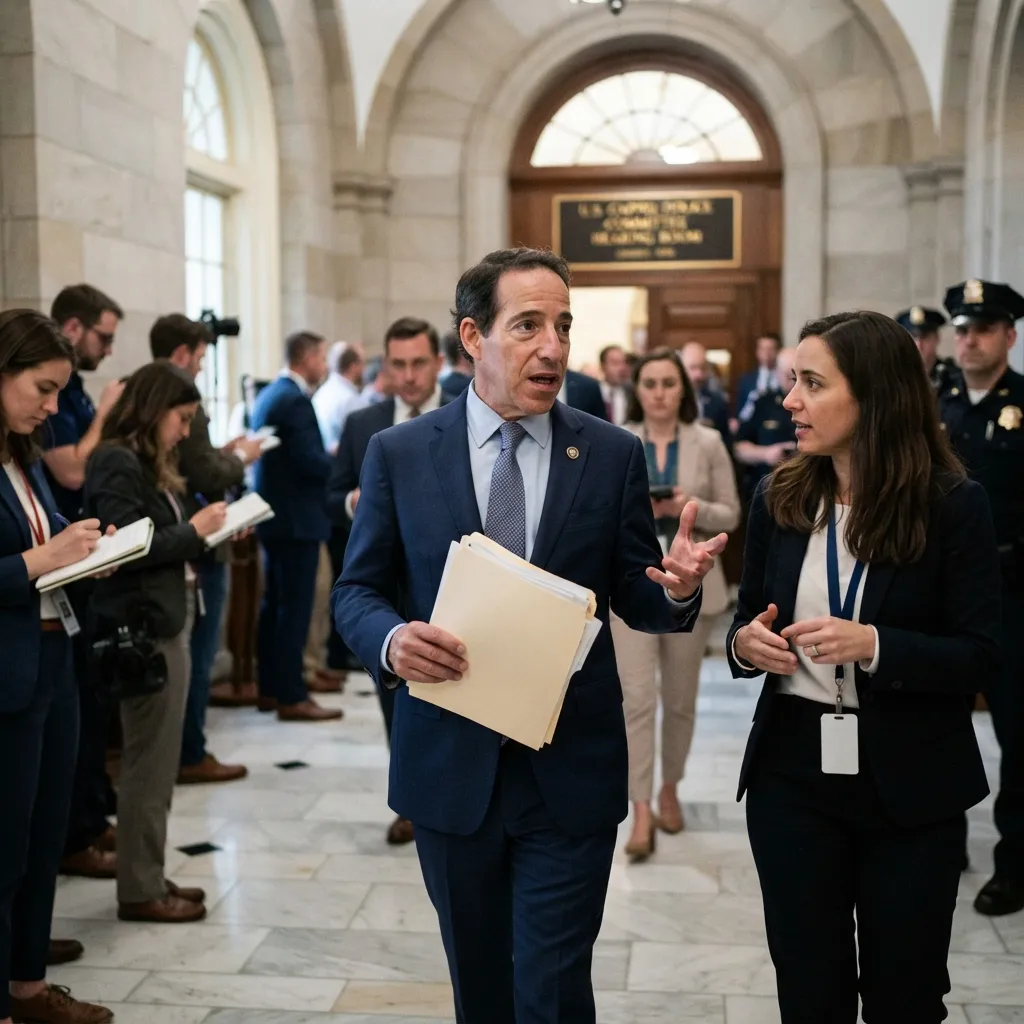
Congressional Probe Targets Trump Jr Investment Windfalls
House Democrats have expanded a sweeping investigation into 1789 Capital, the Florida based investment firm where…