
Market Experts Predict Post Election Rally Despite Political Deadlock
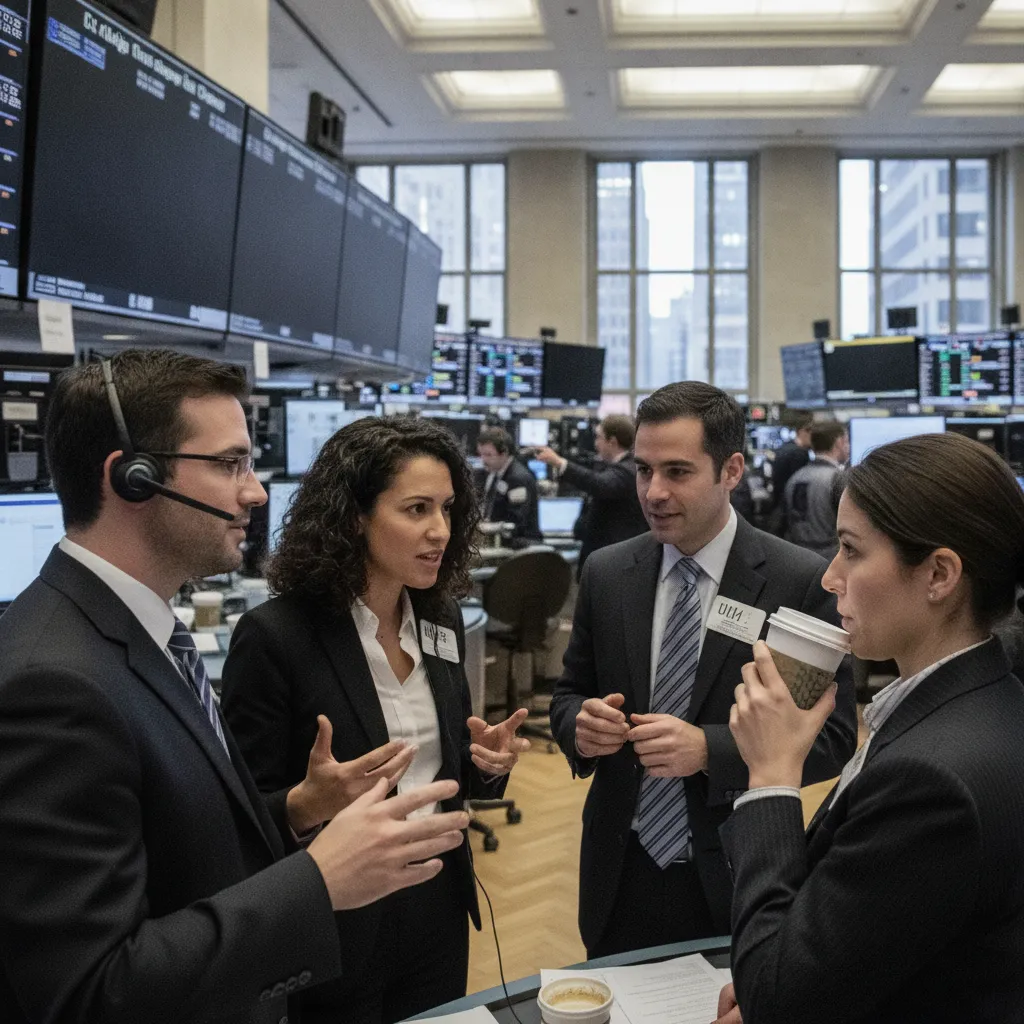
As voters head to the polls for the midterm elections, Wall Street is looking past the political noise toward historical trends that suggest a potential windfall for investors. Data from Edward Jones reveals a consistent pattern since 1970, showing that the S&P 500 has risen an average of 1.7 percent in the month following midterms, with gains jumping to an average of 15.5 percent over the subsequent six months. Strategists like Magdalena Ocampo from Principal Asset Management suggest that while short term swings are expected, markets typically thrive once election uncertainty fades and focus shifts back to core economic fundamentals.
Interestingly, many analysts argue that a split government might actually be the best case scenario for corporate growth. Chris Low of FHN Financial notes that political gridlock often creates a more predictable environment by preventing drastic changes to tax laws and spending habits. When Congress is unable to pass sweeping legislation, companies feel more confident investing in long term projects, which generally bolsters overall earnings. This preference for stability suggests that a stalemate in Washington could act as a buffer against extreme market volatility.
However, this predictability comes with significant risks regarding the national debt, which has now climbed past 40 trillion dollars. Ed Yardeni of Yardeni Research warns that prolonged fiscal standoffs or government shutdowns could spook bond investors and drive up Treasury yields, potentially dragging down equity valuations. There is also concern that heavy reliance on executive orders could maintain instability regardless of who controls Congress, meaning a sudden shift in power could initially rattle shareholders before any eventual recovery occurs.
Beyond the numbers, a Democratic victory could lead to systemic shifts in how federal agencies are managed. Analysts such as Jaret Seiberg believe a blue wave could allow Democrats to block key appointments or install their own picks at regulatory bodies like the SEC and FDIC. Furthermore, shifting leadership within Senate committees could open the door for more populist legislative efforts. Still, experts at UBS remind investors that the presidential veto remains a powerful tool, ensuring that neither party can completely rewrite the economic rulebook without broad consensus.
Related Stories
Warren Buffett’s Empire Faces Valuation Questions Amidst Steady Growth
Investors are keeping a close eye on Berkshire Hathaway as the conglomerate prepares to unveil its…

Intel Caught Between a Data Center Boom and a PC Bust
Investors reacted sharply to Intel’s latest financial disclosures, sending shares tumbling nearly 29 percent following a…